
The Quiet Language of Museums

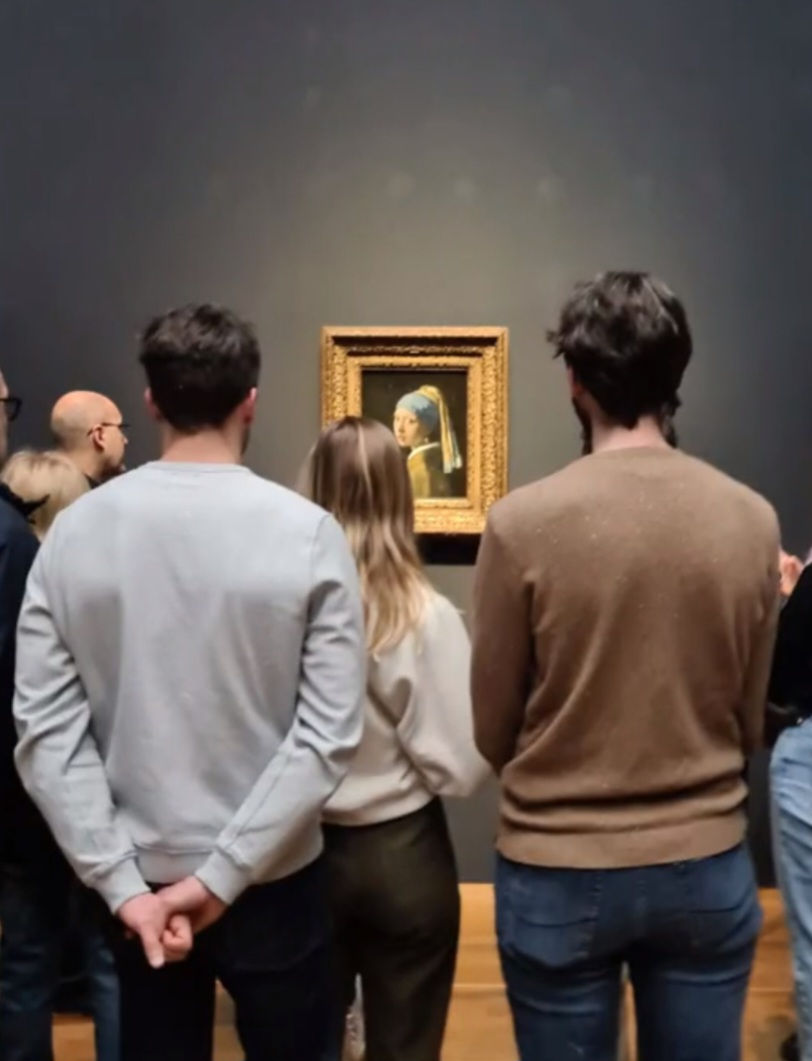
Why do we go to art museums? Certainly, there is pleasure in lingering over coffee in a museum café, surrounded by people who seem to interpret existence through Vermeer. But beyond the ritual, beyond the quiet prestige of having been there, why do we really go? The idea of “seeing the original” tends to resonate most deeply with those already immersed in art history and visual culture. But what draws everyone else — those who neither distinguish Baroque from Rococo nor feel any obligation to do so?
Perhaps we go to interrupt the velocity of ordinary life. To redirect attention. To step outside the architecture of noise that governs modern existence. To encounter, however briefly, a form of harmony refined across centuries of human thought, grief, faith, vanity, longing, and beauty. There are countless possible reasons.
But if one enters a museum not merely for the performance of culture — not for photographs, appearances, or the reassurance of seeming cultivated — but for a genuine encounter with a painting, there is something worth remembering: nearly every painting is a kind of riddle. And riddles invite interpretation.
One does not need an academic background in art history, nor the theatrical posture of contemplation before a canvas. Curiosity is enough. When was the work painted? What anxieties shaped the century in which it emerged? What wars, discoveries, spiritual crises, or private obsessions surrounded the artist? No painter exists outside history, even those convinced they are painting only apples, coastlines, candlelight, or solitude. History reveals itself regardless — in the treatment of light, in the arrangement of objects, in gestures, textures, faces, symbolism.
And once one begins to understand even a little of the language of art, museums begin speaking differently. A portrait ceases to be merely a likeness. A still life becomes something more than fruit arranged beside silverware. The light in Dutch painting no longer appears simply beautiful, but philosophical — almost moral in its precision. Composition, color, contrast, and shadow no longer register as theory, but as the means through which a painting reveals itself.
And then there is symbolism, perhaps the most fascinating language of all.
A lemon may signify both luxury and the fleeting nature of pleasure. A skull quietly reminds the viewer of mortality. A dog becomes fidelity. An extinguished candle marks time already lost.
And suddenly the distance between centuries begins to collapse. One realizes that people in the seventeenth century wrestled with many of the same questions that occupy us now: time, status, love, mortality, meaning. They simply did so without LinkedIn notifications or illuminated screens.
That may be why museums are never solely about art. They remain one of the most elegant ways to enter into conversation with those who lived centuries before us. In their finest moments, museums become a form of time travel—not an escape from the present, but a reminder that human nature has changed far less than we like to believe.
What about you? Why do you go to museums?


Comments